Consistent shielding-gas conditions help support repeatable welding performance. Required nitrogen purity should be confirmed for the actual material and welding process.
 Request a System Recommendation
Laser welding applications
Nitrogen Supply for Laser Welding Operations
KERVOXA provides on-site nitrogen systems for laser welding operations where stable gas availability, suitable purity, pressure and flow are required. System suitability depends on the welding process, production demand and site conditions.
Process requirements
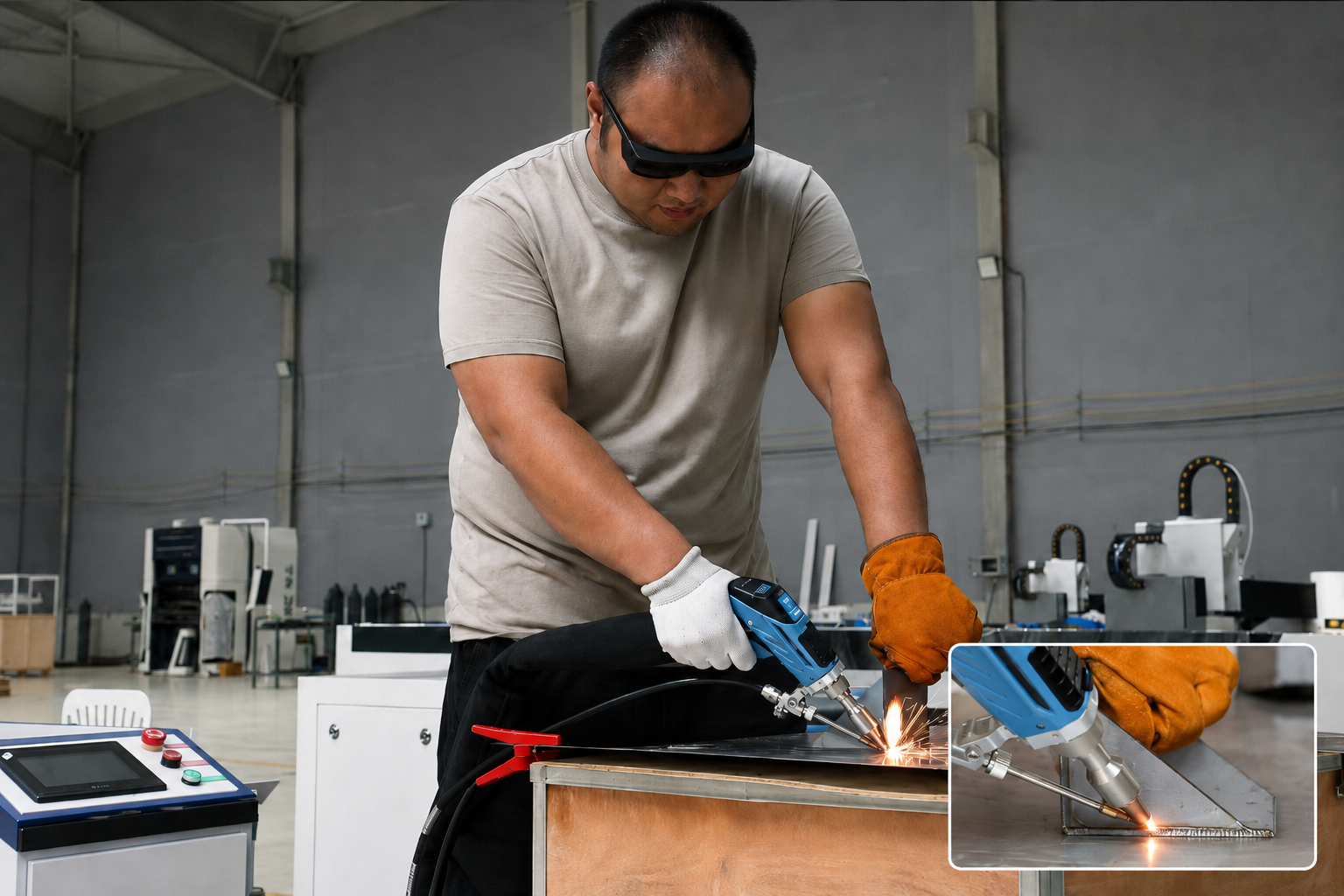
Where Nitrogen Fits in Laser Welding
Stable shielding-gas quality and delivery conditions are important in laser welding. Nitrogen suitability depends on the material, welding parameters, equipment requirements and required weld result.
For production with regular nitrogen demand, reliable gas availability can reduce interruptions caused by cylinder replacement or delivery scheduling.
Nitrogen must be delivered at suitable pressure and flow for the welding equipment and process requirements.
Nitrogen is not suitable for every laser welding process. Material, welding parameters and equipment requirements should be confirmed before system selection.
Application configurations
Nitrogen Supply Across Different Welding Setups
Gas demand changes with welding equipment, operating pattern and the number of stations running at the same time.
01
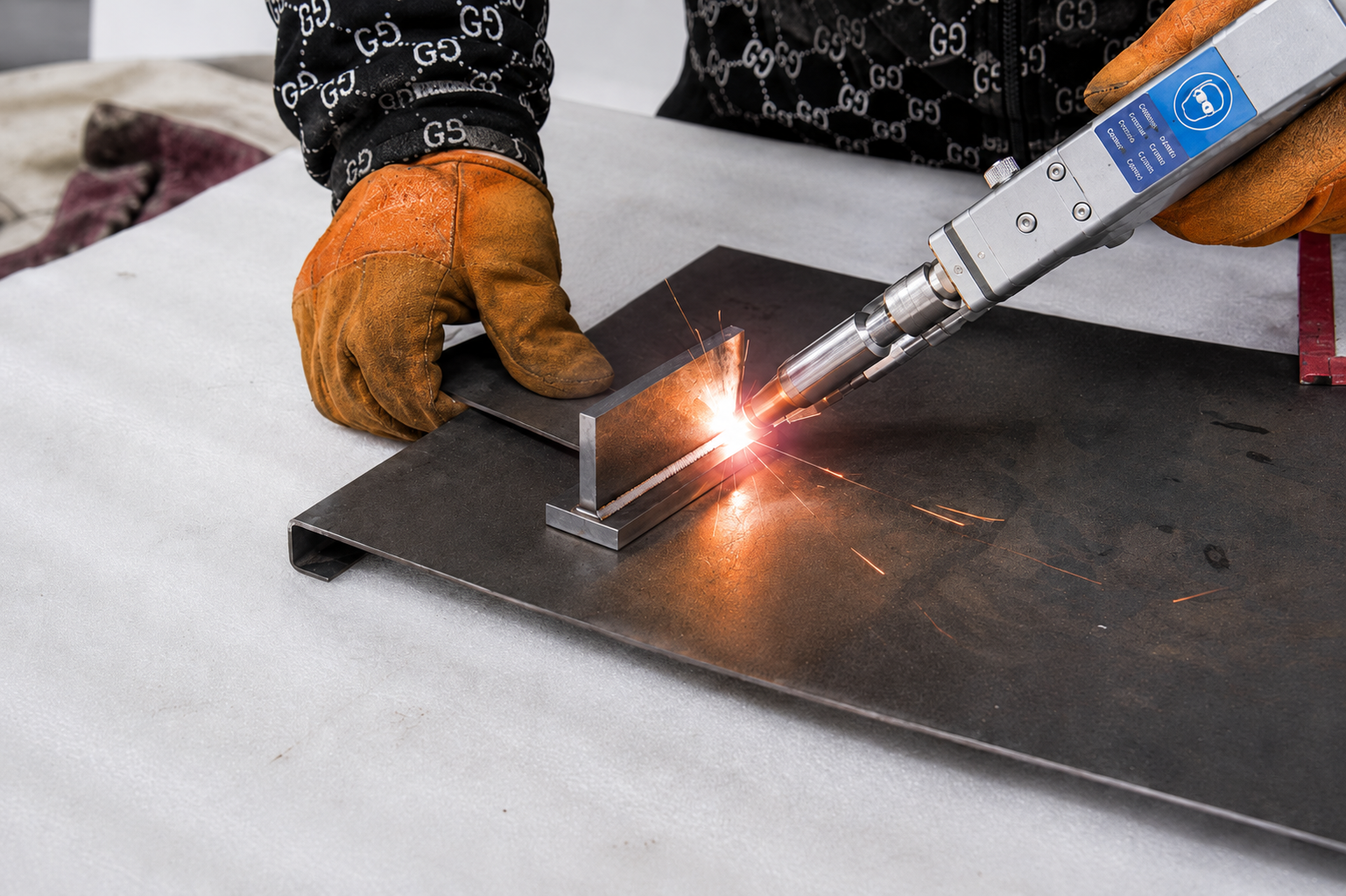
Handheld Laser Welding
Suitable system capacity depends on actual welding time, gas consumption and the number of handheld welding stations in use.
- Flexible production
- Single or small numbers of welding stations
- Intermittent or regular operation
- Capacity matched to actual gas demand
02
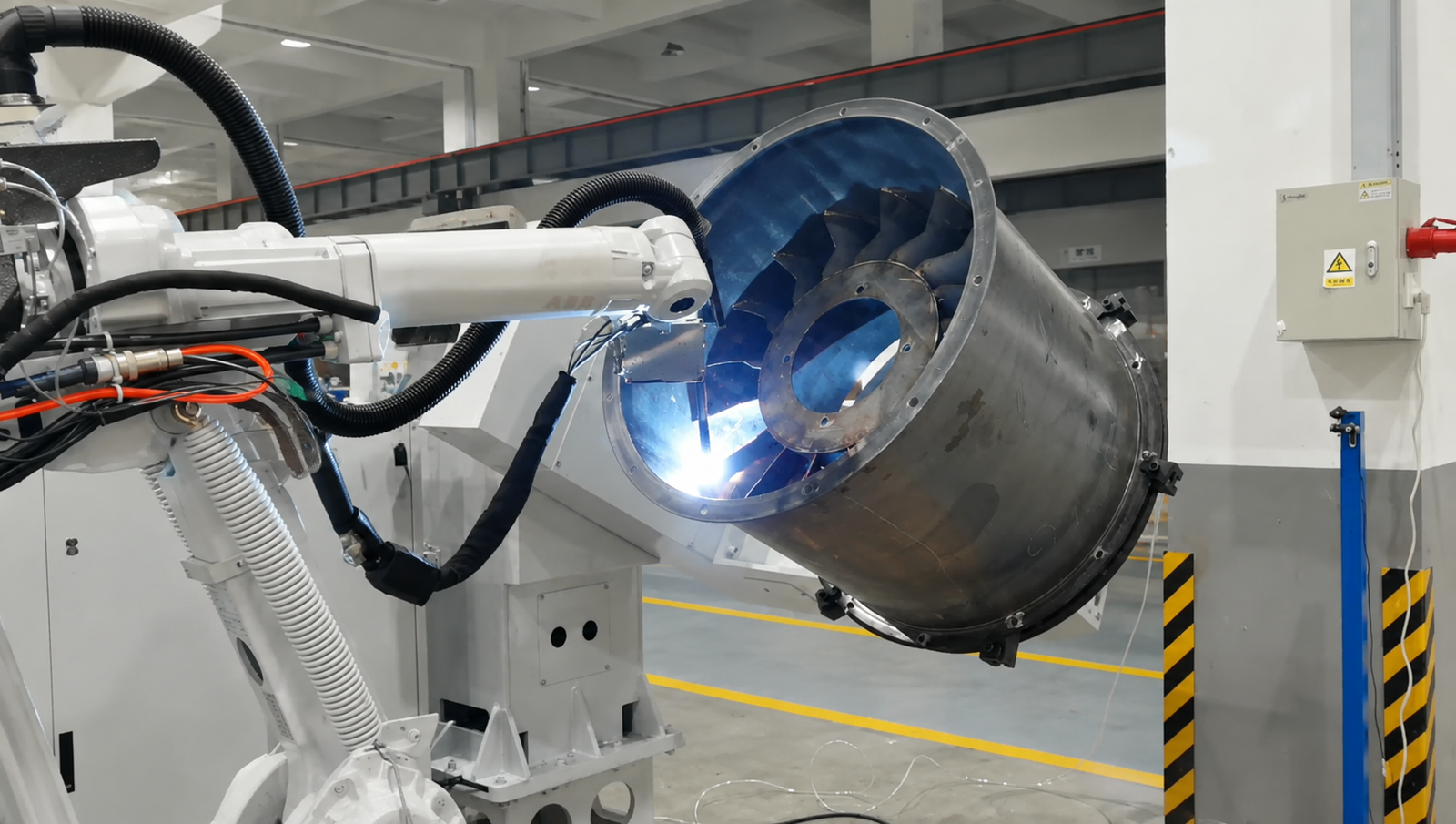
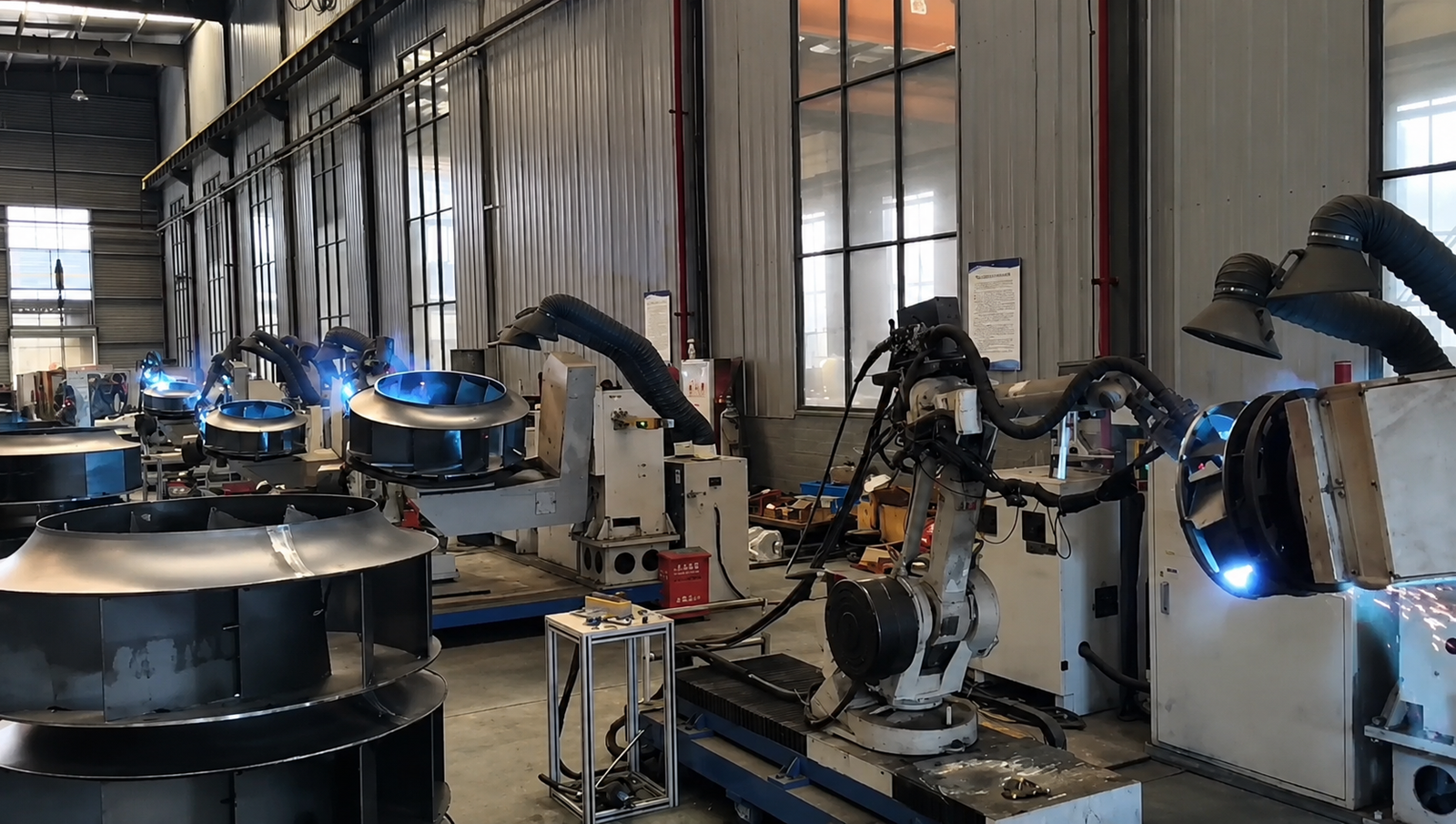
Robotic Laser Welding
Automated welding can create longer and more predictable gas demand, making stable nitrogen availability and correct system sizing more important.
- Automated production
- Longer operating periods
- Predictable gas demand
- Stable supply conditions
03
Multi-Station Welding
For multiple welding stations, system selection should consider combined and simultaneous nitrogen demand as well as the distribution arrangement.
- Multiple welding stations
- Simultaneous gas demand
- Centralised supply potential
- Distribution and buffer requirements
Supply method comparison
Delivered Cylinders vs On-Site Nitrogen
Both delivered cylinders and on-site generation can be practical. The better choice depends on production frequency, nitrogen consumption, gas availability and site conditions.
Traditional nitrogen supply
Delivered Cylinders
- Requires external gas delivery
- Requires cylinder storage and replacement
- Supply planning depends on delivery schedules
- Can remain practical for occasional or low consumption
On-site nitrogen generation
On-Site Nitrogen
- Produces nitrogen at the facility
- Reduces dependence on cylinder handling
- Supports regular production demand
- Requires suitable compressed-air and site conditions
Application fit
When On-Site Nitrogen Generation Makes Sense
These operating conditions can indicate that an on-site system is worth evaluating. Final suitability still depends on confirmed nitrogen demand, welding requirements and site conditions.
Regular operating hours and predictable nitrogen demand can make on-site generation practical to evaluate.
Combined demand from several stations may support a centralised nitrogen generation and distribution approach.
Regular cylinder replacement and supply coordination can make on-site nitrogen generation worth evaluating.
Application questions
Frequently Asked Questions
Key considerations when evaluating on-site nitrogen generation for laser welding applications.
Can a nitrogen generator replace nitrogen cylinders for laser welding?
For applications with regular and predictable nitrogen demand, a suitably configured on-site system may reduce dependence on delivered cylinders. Required purity, flow, pressure, duty cycle, compressed-air conditions and backup requirements must be evaluated first. Some operations may still retain cylinders for backup or occasional use.
What nitrogen purity is required for laser welding?
There is no single purity requirement for every laser welding process. The appropriate specification depends on the material, welding procedure, equipment requirements and required weld result. KERVOXA selects the system after the application requirement is confirmed.
Do I need an air compressor for a nitrogen generator?
Yes. A PSA nitrogen generator requires clean compressed air at suitable flow and pressure. Existing compressed-air equipment can be considered if its capacity and air quality are adequate; otherwise, a matched air supply and treatment system is required.
How do I select the right nitrogen generator model?
Selection is based on simultaneous nitrogen demand, required purity and pressure, welding-station quantity, operating hours, duty cycle, site conditions and available compressed air. A model should be recommended only after these inputs are reviewed.
Is on-site nitrogen generation suitable for every laser welding application?
No. Nitrogen must first be suitable for the material and welding process. Delivered supply may remain practical for occasional or low consumption, and the site must also support the required compressed-air and installation conditions. KERVOXA evaluates these factors before recommending an approach.
Application assessment
Discuss Your Laser Welding Nitrogen Requirements
Tell us your welding setup, operating hours, number of welding stations and available compressed-air conditions. KERVOXA can help evaluate a suitable nitrogen system approach.